First Impressions of the "I Hate Whatever Today Is" Design
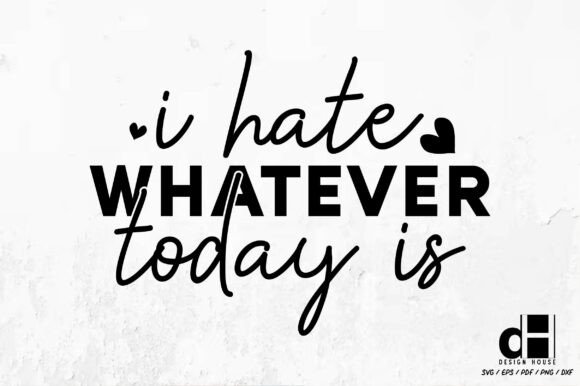
When I opened the "I Hate Whatever Today Is – Funny" SVG/PNG file, my immediate reaction was a genuine smile. This isn’t just text; it’s a statement with personality. The layout feels conversational, almost like a handwritten groan you’d mutter before your first coffee. The mood it creates is relatable, lighthearted, and undeniably human. For embroidery, this is a powerful starting point. A design that evokes an emotional response—even a chuckle—is gold for connecting with customers.
The visual personality is straightforward, which is excellent for translation into stitches. There’s no overly complex artistry that might get lost in satin or fill stitches. It feels like it belongs squarely on casual, everyday items. You can picture it immediately: a well-loved sweatshirt, a go-to tote bag, or a cozy kitchen towel. It’s not trying to be formal or delicate; it’s robust and friendly, which tells me it’s meant for projects that are used and seen regularly.
Where This Design Shines in Real Projects
Let’s talk application. I recently considered it for a custom embroidered tote bag for a friend who’s deep in a demanding office job. The goal was a gift that was both useful and a genuine expression of solidarity. This "I Hate Whatever Today Is" embroidery design was the perfect candidate. Its casual tone makes it ideal for personalized gifts where you want to show you get someone’s daily grind.
For small business merchandise, especially for Etsy sellers or craft fair vendors focusing on niche, relatable content, this is a strong asset. Imagine it on a simple, high-quality cotton sweatshirt. The design becomes the product’s entire voice. It’s not just apparel; it’s a wearable mood. That kind of clear branding can drive buyer engagement because the product speaks for itself. On a baby item? Perhaps not, but on a cap for a parent? Absolutely. It translates well into a small, crisp patch or onto the curved surface of a cap, provided the lettering details are handled carefully.
In terms of commercial embroidery projects, such as small batches for boutique shops, its universal humor adds value. It feels handmade yet professional because the message is so focused. A customer buying a pillow cover with this embroidered on it isn’t just buying decor; they’re buying a sense of humor for their living space. That enhances the perceived product value.
Caution Areas for Successful Stitching
While the design’s simplicity is a strength, it also dictates where it should be used with a bit more forethought. The phrase’s lettering, depending on the exact file, will have defining details. On very small hoop sizes, tiny lettering can become a dense, muddled area if the stitch density isn’t optimized. I always advise testing on scrap fabric first, especially if you plan to stitch it onto thin or stretchy fabric like a lightweight t-shirt.
Dark fabric backgrounds require extra attention to thread color contrast. A simple black thread on a navy garment might lose its punch. Consider a bright, contrasting highlight color for the text to maintain its clarity and visual appeal. Textured fabrics, like some blanket materials, can also swallow up the clean lines of the text. A good, appropriate stabilizer is non-negotiable here to preserve the design’s integrity.
For products destined for frequent washing—like aprons or tea towels—you need to ensure the stitch structure is solid. Areas of dense stitching can wear differently than lighter running stitch areas. Inspect the digital file closely for any overly intricate corners in the lettering that might not hold up over time. A clean, sturdy satin stitch execution will serve this design best on utilitarian items.
Practical Designer Notes Before You Hoop
My process with any new embroidery file like "I Hate Whatever Today Is" involves a few non-negotiable steps. First, I run a test on a scrap of the actual fabric I intend to use. This reveals everything: how the thread colors pop, whether the stitch density creates a pleasing texture, and if the chosen hoop size works for the design’s scale. I also test it in black and white mockups to see how it holds up without color—a good design should still have clear form.
Comparing how it looks on both light and dark fabric backgrounds in your software preview is crucial. It helps plan your thread palette and avoid last-minute surprises. Another key note: always, always confirm the licensing terms before integrating a design into commercial projects or selling finished items. The product description mentions it’s unique and creative, but the specifics for commercial use, if any, need to be clear from the source. Don’t assume.
For craft business owners, this design is a ready-made design asset for creating printable mockups to gauge customer interest. Its straightforward theme makes it easy to visualize on different products, which helps build trust with your audience through clear presentation. If you’re an apparel decorator, consider how this design pairs with other elements. Could it be part of a series on a tote bag? Sometimes a single, strong statement like this is all you need.
The Final Stitch: Balancing Humor and Craft
Using the "I Hate Whatever Today Is" embroidery design ultimately comes down to matching its personality with your project’s purpose. Its strength is its instant relatability. On a finished product, that translates into recognition and giftability. A holiday gift for a coworker? Perfect. A product for a small shop targeting creative entrepreneurs? It fits a specific, authentic vibe.
The design doesn’t try to be everything; it’s a specific, funny office quote. That focus is its greatest asset. In your embroidery work, let that focus guide you. Choose projects where the humor will be appreciated and the stitching can be executed cleanly. Avoid forcing it onto formats where its casual tone might clash, like very formal wedding gifts.
Approach it as a professional designer: see the design, understand its emotional core, and then apply your technical skill to make it shine in thread. Test thoroughly, respect the licensing, and stitch with confidence. When done right, this kind of design turns a simple machine embroidery file into a product that feels genuinely handmade and personally engaging, which is the best outcome any crafter, small business owner, or hobbyist can hope for.